Understand your menopause day by day, and gain clarity you can act on.
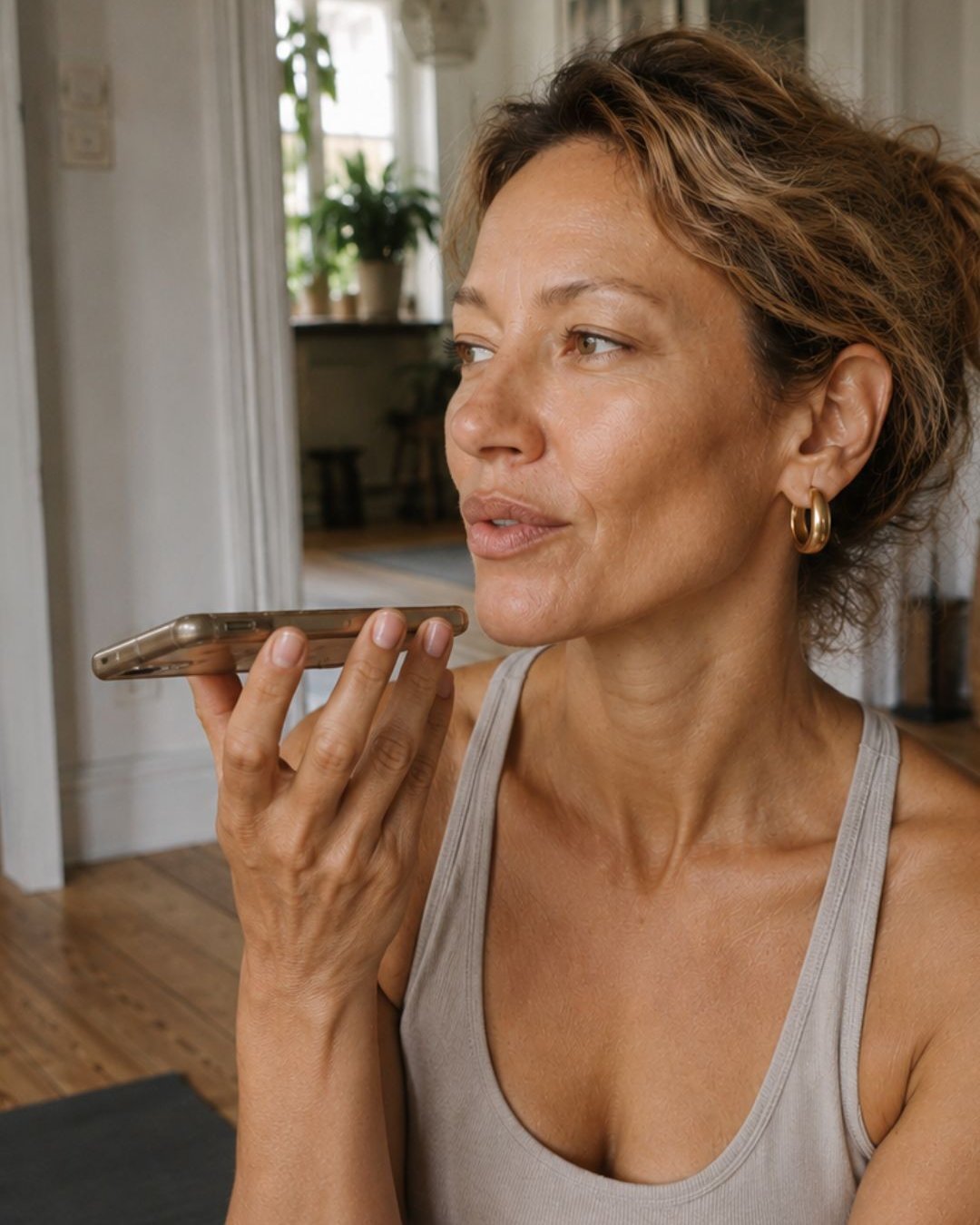
Ryma is an AI conversation partner that automatically tracks your symptoms through your conversations. Ryma listens whenever you need it, analyses your patterns over time and gives you deep insight that you can share with your doctor.
Ryma is trained on a scientific foundation, adapts to your personal journey and is always ready for a talk.

Ryma works with some of Europe's leading research projects on women's menopause. With your consent, your conversations contribute anonymised data and help build a solid research foundation for women's health in menopause.
Clarity for you. Better conversations with everyone.
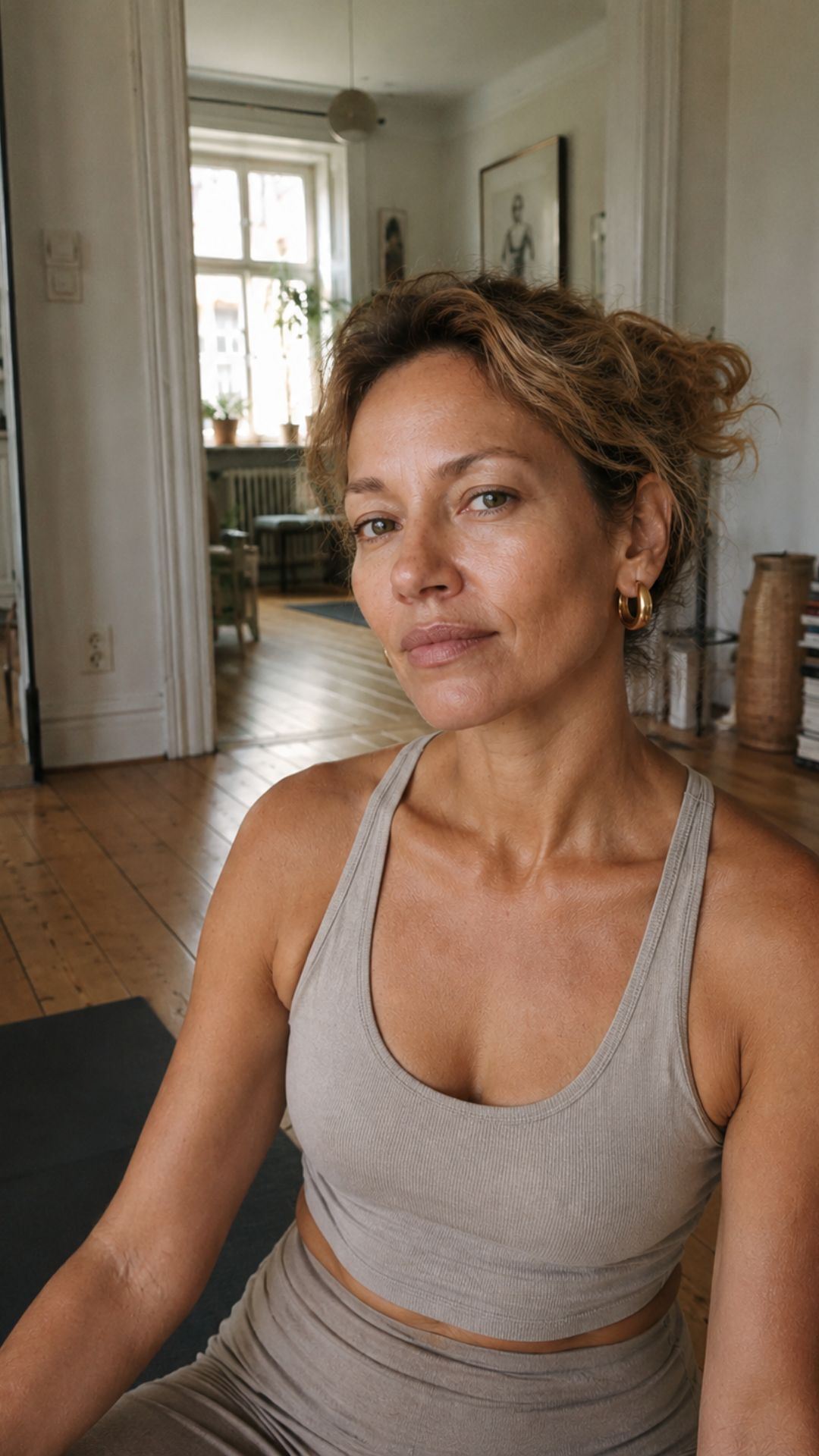
I had no energy and felt overwhelmedRyma user
Understand your symptoms
Ryma gives you insight into your own patterns, what triggers your symptoms, how they develop, and how you compare with other women in your age group. Knowledge replaces uncertainty.
Show up with better data
Ryma builds a structured, clinical summary of your symptoms, patterns, and questions, ready to share with your doctor or gynaecologist. That way you can feel better prepared for your consultation, and focus on exactly what you need.
Put it into words
Ryma helps you structure conversations about your symptoms with your partner, your employer, your family. Because understanding starts with being able to explain it.
Track symptoms in conversation, in real time.
No forms. No endless menus. You talk or write with Ryma, like with a good friend, and Ryma turns your daily experiences into visual patterns and clear insight. So you understand what works, see what needs attention, and can talk calmly and concretely about your body.
Natural symptom logging
Voice, text, or quick replies, no endless menus.
Visual patterns and insight
See how treatment, habits, and cycle affect how you feel.
Shareable reports
For more productive follow-ups with your doctor, in 15 minutes.
Meet you where you are
Talk or write in the app, whenever it suits you. Voice or text, you decide.
Symptoms over time
LAST 5 WEEKSLower = less intensity. Hot flushes and mood are trending down over the last 4 weeks.
Your hot flushes peak between 22:00 and 01:00. Look at room temperature and caffeine after 14:00 as possible triggers.
Sleep quality up 18% since you started going to bed earlier. The pattern is consistent over 3 weeks.
Mood and sleep move together. Days with less than 6 hours of sleep give a mood 2.3 points lower on average.
HRT is the first choice for most women under 60 with moderate to severe symptoms. Treatment can reduce hot flushes by up to 75% and improve sleep significantly.
Regular strength training 2 to 3 times a week reduces bone loss and helps mood and sleep during perimenopause.
For your doctor
3 QUESTIONS PREPARED- 01My hot flushes have been increasing over the last 4 weeks. Is HRT relevant for me, and which type would you recommend?
- 02I wake 2 to 3 times every night with night sweats. Which blood tests can we take to see where I am in the process?
- 03My mood and energy fluctuate more than before. What can we do to distinguish menopause from, for example, the thyroid?
You are about 1/3 into perimenopause. Expect irregular cycles and waves of hot flushes over the next 12 to 24 months. Ryma adjusts insights as your profile changes.
What Ryma can tell you over time
The menopause transition lasts on average between 2 and 8 years. Your symptoms will change; new ones appear, others fade, and what triggers them today may not be the same in six months. So a single snapshot is not enough. Here is what opens up with more data over time.
First symptom picture
Frequency and timing of your symptoms. Early patterns. Guidance and advice based on the first signals.
Confirmed patterns + cycle mapping
Trigger correlations confirmed or ruled out. Your cycle mapped with symptoms per phase. The first deep insight report you can bring to your doctor.
Full correlation analysis + treatment response
A complete trigger matrix: alcohol, caffeine, stress, exercise, diet, and sleep cross-referenced against all your symptoms. If you start treatment or test new things, Ryma tracks the effect and keeps you updated on the progress.
Your personal menopause profile
Seasonal patterns, long-term trends, before/after comparisons. Your body changes over years, Ryma keeps up and gives you 365 days of data to make every doctor visit the most informed you have had.
Full insight, treatment plan, and joy in life
A full year of data gives you and your doctor a complete basis for a tailored treatment plan. You know your triggers, your cycle patterns, what works and what does not. It is no longer guesswork, it is clarity. And with clarity, control over your own body and everyday life comes back.
Frequently asked questions, before you start.
Ryma makes sure you show up with insight and an overview. She listens to you daily, tracks your symptoms over time, and builds a clear picture of your journey: what changes, what returns, and what actually works.
When you sit down for the consultation, you have a report with patterns, a timeline, and concrete questions, so the 15 minutes with your doctor are about decisions, not about remembering.
When you sign up, you can choose to contribute anonymously to research into women’s health together with public research bodies such as the University of Copenhagen. No personal information is shared, only anonymised patterns that can help more women in the future.
Your story belongs to you. The research can help us all.
Voice messages often work best, because you can say more in less time and Ryma can hear the nuances in what you tell her.
You tell. Ryma does the rest.
You deserve to understand, what your body is telling you.
Thousands of women carry symptoms they have no words for. Ryma has the language, and turns your words into insight you can act on. You get your own focus plan and your first report from day 1, so you can start to feel like yourself again.
The Ryma app launches in September. Join the waitlist to be among the first to get access.